

BERNAS.ID – Learn how to safely modify your router settings through 192.168.l00.1. Follow our step-by-step guide to secure and optimize your network.
Safely Modify Router Settings via 192.168.l00.1
Modifying your router settings is crucial for maintaining a secure and efficient network. The IP address 192.168.l00.1 serves as a gateway to your router’s admin panel, where you can manage various settings, including Wi-Fi credentials, security protocols, and firmware updates.
Baca Juga : Huawei Perluas Transformasi dan Peningkatan Industri Untuk Enterprise Dengan Solusi Jaringan Cloud Cerdas
Whether you are setting up a new network or enhancing the security of an existing one, understanding how to access and modify these settings safely is essential.
This guide will walk you through the process, ensuring that your network remains both secure and optimized. By following the steps outlined in this article, you can confidently make necessary changes without compromising your network’s integrity.
How Do I Access the 192.168.l00.1 Login Page?
Steps to Follow to Reach the Login Page
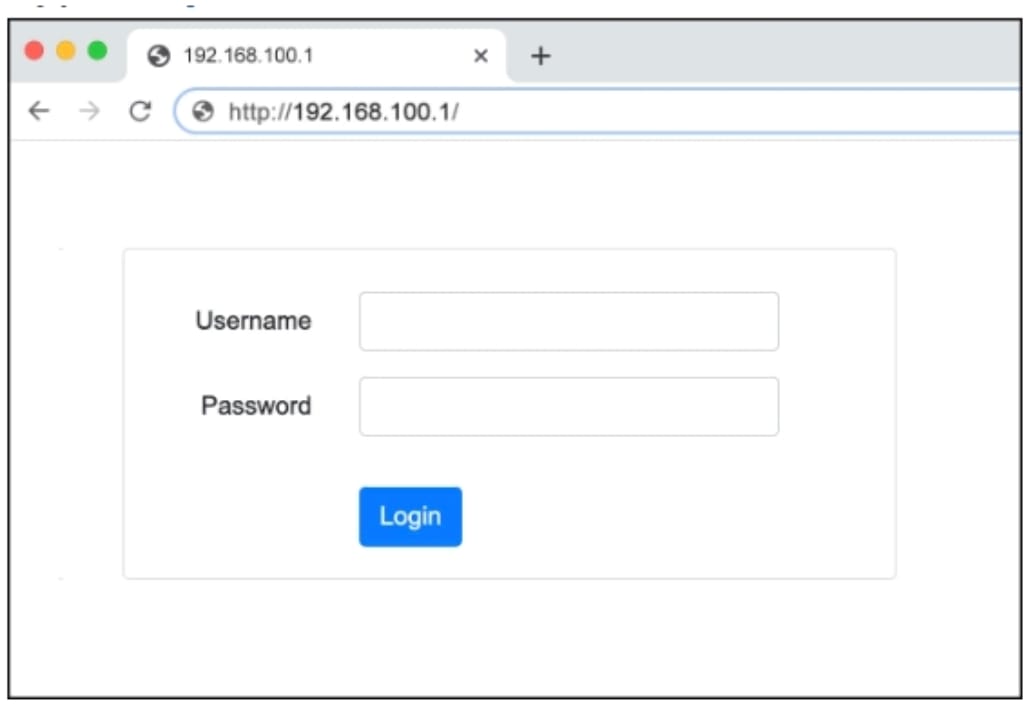
To access the 192.168.l00.1 login page, start by connecting your device to the router’s network via Wi-Fi or Ethernet cable. Once connected, open a web browser and enter “http://192.168.l00.1” into the address bar, then press Enter.
This will direct you to the router’s login page, where you will be prompted to enter a username and password. If the page does not load, double-check your connection and the IP address. Ensure that your device is using the correct network and that there are no typos in the address.
This straightforward process will grant you access to the router’s admin interface, where you can begin making the necessary adjustments to your network settings.
Default Router Credentials
Most routers use default login credentials, which are often listed on a sticker located on the router itself. Common combinations include “admin/admin” or “admin/password.” These credentials are used to access the router’s admin panel through the 192.168.l00.1 login page. If you haven’t changed these default credentials, they should allow you access.
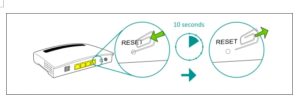
However, for security reasons, it’s highly recommended to change them after your initial login. If you’ve forgotten your custom credentials, you can typically reset the router to factory settings, which will restore the default username and password. Always remember to store your new credentials in a safe place to avoid future login issues.
Solutions If You Can’t Access the Login Page
If you’re having trouble accessing the 192.168.l00.1 login page, there are a few troubleshooting steps you can take. First, verify that your device is connected to the correct network. If it is, ensure that the IP address has been entered correctly into the browser’s address bar. If the issue persists, try clearing your browser’s cache or switching to a different browser.
Another possible solution is to restart your router and device to refresh the connection. In some cases, the router’s IP address may have been changed, requiring you to identify the correct gateway. Finally, if all else fails, resetting the router to its factory settings can often resolve access issues.
How Can I Change My Wi-Fi Name and Password?
Safe Methods to Change Your Wi-Fi Name
Changing your Wi-Fi name, also known as the SSID, is a simple but important step in securing your network. After logging into the router’s admin panel via 192.168.l00.1, navigate to the wireless settings section.
Here, you can enter a new SSID that’s unique and easily identifiable. Avoid using personal information in the name, as this could make it easier for potential intruders to identify your network.
Once you’ve chosen a new name, save the changes and restart the router if necessary. This update will be reflected across all devices, and you’ll need to reconnect to the network using the new SSID.
Secure Ways to Update Your Wi-Fi Password
Updating your Wi-Fi password is one of the most effective ways to enhance your network’s security. Within the router’s admin panel, locate the security settings or wireless settings section where you can change the password. It’s crucial to create a strong, unique password that combines letters, numbers, and special characters.
Avoid using common words or easily guessable combinations. After updating the password, save the changes and reboot your router. All devices previously connected to the network will require the new password to regain access. Regularly updating your Wi-Fi password can help protect your network from unauthorized access.
How Do I Update My Router’s Security Settings?
Essential Security Settings to Update
After gaining access to your router through 192.168.l00.1, the first step in securing your network is updating essential security settings. Start by enabling WPA3 or WPA2 encryption, which provides robust protection against unauthorized access.
Disabling remote management, unless absolutely necessary, is another key step, as it reduces the risk of external attacks. Additionally, consider setting up a guest network to keep your main network more secure. Guest networks allow visitors to connect to the internet without gaining access to your personal files and devices. These basic updates are crucial for maintaining a secure home or office network.
Steps to Enable WPA3 or WPA2 Encryption
WPA3 and WPA2 are the most secure encryption methods available for Wi-Fi networks. To enable these settings, log into your router’s admin panel via 192.168.l00.1 and navigate to the wireless security settings. Select WPA3 if your router supports it, or WPA2 if it does not.
Ensure that the encryption is applied to both the 2.4GHz and 5GHz bands. After selecting the desired encryption method, save the settings and restart the router. This will ensure that all connected devices are using the most secure encryption available, protecting your network from potential threats.
Additional Security Measures to Consider
In addition to basic security settings, there are several advanced measures you can take to further protect your network. One option is to enable MAC address filtering, which allows only specific devices to connect to your network.
Another is to disable the SSID broadcast, making your network invisible to others. You can also set up a VPN on your router to encrypt all traffic passing through it, providing an extra layer of security.
Baca Juga : Bagi Broker Network, 1000 Poin Komisi Bakal Cair Jika Bagaimana?
Regularly checking for firmware updates and applying them promptly is another critical step in maintaining network security. These additional measures will help ensure that your network remains secure against a wide range of threats.
How Can I Ensure My Router’s Firmware Is Up to Date?
Importance of Firmware for Router Security
Firmware is the software that controls your router’s functions, and keeping it up to date is essential for network security. Manufacturers regularly release firmware updates that patch vulnerabilities, improve performance, and add new features. Outdated firmware can leave your network exposed to security risks, making it crucial to check for updates regularly.
By ensuring your router’s firmware is up to date, you can protect your network from known threats and maintain optimal performance. This proactive approach to firmware management is a key component of network security.
Methods to Check for Firmware Updates
To check for firmware updates, log into your router’s admin panel through 192.168.l00.1 and navigate to the firmware or update section. Some routers have an option to automatically check for and install updates, while others require manual checks.
If your router doesn’t support automatic updates, you can visit the manufacturer’s website to download the latest firmware version. Once downloaded, you can upload the firmware file through the router’s admin panel. Keeping your router’s firmware updated is a simple but effective way to maintain security and performance.
Steps to Safely Update Firmware
Updating your router’s firmware is a straightforward process but must be done carefully to avoid potential issues. First, ensure that you have a stable power supply, as losing power during the update can damage the router.
Next, download the latest firmware version from the manufacturer’s website or through the router’s admin panel. Follow the on-screen instructions to complete the update, and avoid interrupting the process.
Once the update is complete, reboot your router to apply the changes. Regularly updating your router’s firmware is a critical step in maintaining a secure and efficient network.
Conclusion
Modifying your router settings via 192.168.l00.1 is a necessary task for anyone looking to secure and optimize their network. This guide has provided a step-by-step approach to accessing the router’s admin panel, updating Wi-Fi credentials, enhancing security settings, and keeping firmware up to date.
By following these guidelines, you can ensure that your network remains safe from unauthorized access and operates at peak performance.
Regularly reviewing and updating your router settings is key to maintaining a secure and efficient home or office network. Stay proactive with your network management to enjoy a safer and more reliable online experience. (adv)
